




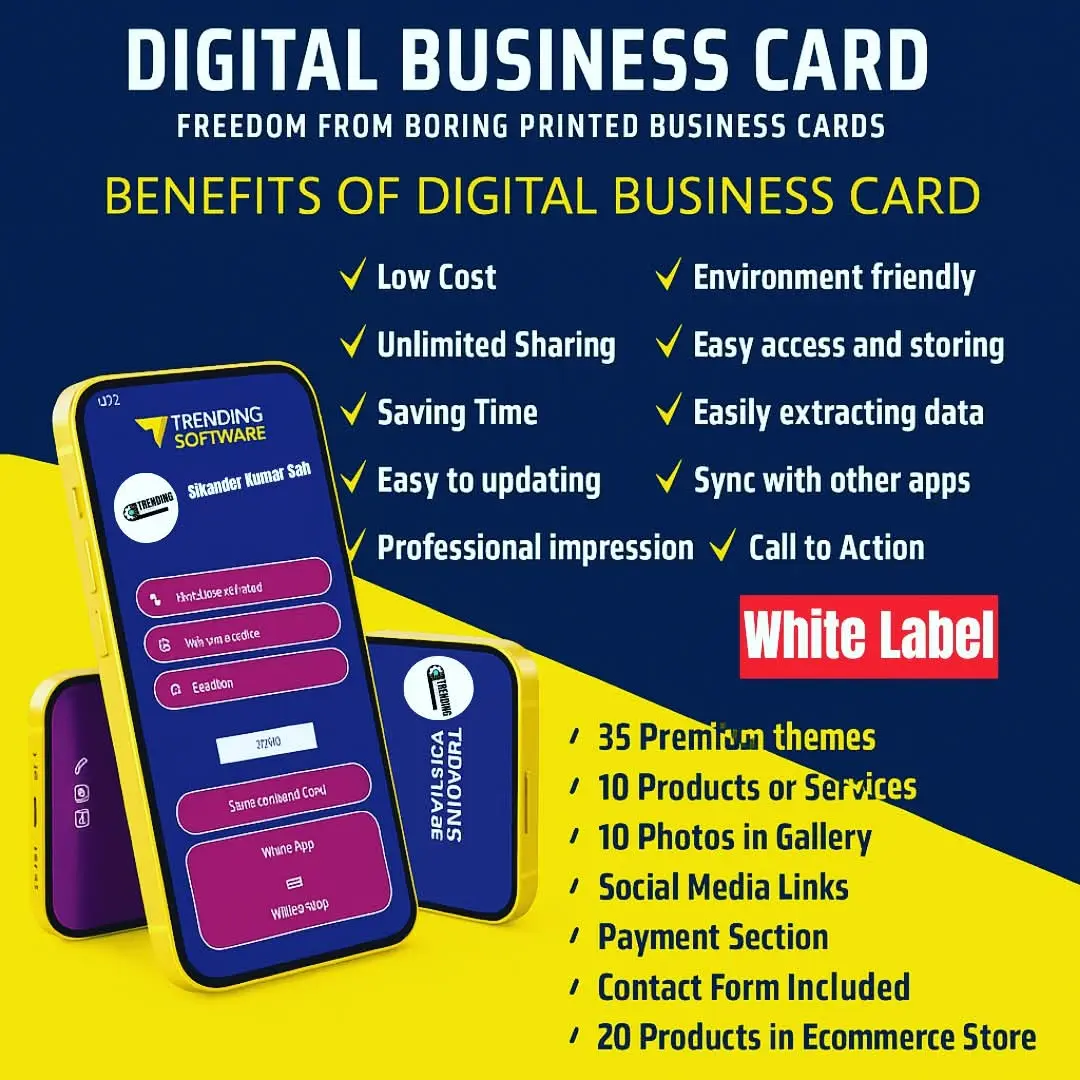
Digital Business Card White Label
Introduction
You’ve probably seen it already. Someone shares a contact card… but it’s not a paper card. It’s a sleek link. Tap, save, done.
No printing. No more of that weird moment where you fumble for a business card” moment.
Now here’s where it gets interesting — people aren’t just using these. They’re selling them.
That’s where the whole Digital Business Card White Label thing comes in. And yeah, it sounds fancy. Slightly confusing too.
If you’re sitting there thinking, “Is this just another reselling trend or something actually useful?” — you’re not alone.
I had the same thought.
In this guide, I’ll break it down the way someone should’ve explained it to me. No fluff. No hype. Just how it works, where people mess up, and whether it’s actually worth your time.
What Is a Digital Business Card White Label (Without the Buzzwords)?
Alright, let’s keep this simple.
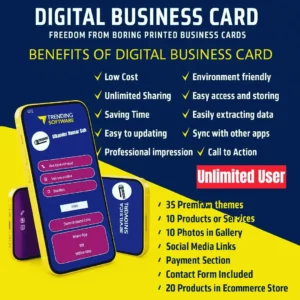
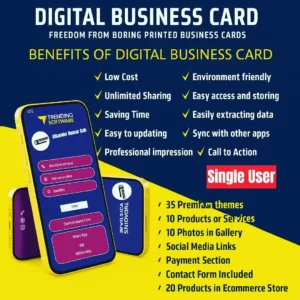
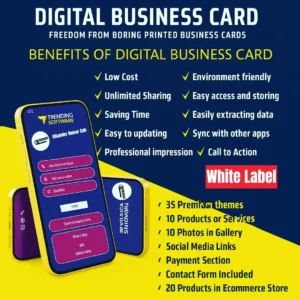
A Digital Business Card White Label setup means you’re selling digital visiting cards… under your own brand.
You’re not building the software. Someone else already did that part (thankfully).
You just:
- Put your brand name on it
- Sell it as your product
- Keep the profit
That’s it.
Sounds easy? Well… yes and no.
Here’s the thing. The idea is simple. The execution depends on how seriously you treat it.
Most blogs make it sound like passive income magic.
It’s not.
But it is a solid business model if you understand what you’re actually offering.
Why People Are Getting Into This (And Why Some Quit Fast)
Let’s be real for a second.
People jump into this for two reasons:
- It looks easy to sell
- Low investment compared to building SaaS
And honestly, both are true.
And this is exactly where things usually fall apart
They think:
“Everyone needs a digital card, so selling will be easy.”
That logic sounds fine… until you try selling your first 10.
Reality check: nobody really buys features on their own They buy convenience or status.
If your pitch sounds like:
“Here’s a digital card with QR code, save contact, blah blah…”
You’ll struggle.
If your pitch sounds like:
“This makes you look more professional instantly. No more losing leads.”
Now you’re talking.
Big difference.
How the White Label Model Actually Works (Behind the Scenes)
Let me explain this like I would to a junior on my team.
There are usually 3 parts:
1. The Software Provider
They build and maintain the platform. Hosting, updates, all that messy stuff.
2. You (The Reseller/Brand Owner)
You get a dashboard. Add your logo, pricing, maybe your domain.
3. Your Customers
They buy digital cards from you, not knowing or caring who built it.
Simple structure.
But here’s something most blogs skip — your success depends more on positioning than the software itself.
You can have the best platform… and still make zero sales.
Where Most “Top Blogs” Get It Wrong
I went through a bunch of those typical “Top 10 reasons” blog posts
Honestly? They feel stretched.
Same recycled lines:
- “High demand”
- “Low cost”
- “Future of networking”
Cool. But that doesn’t help someone actually start.
What they don’t explain:
- How to get your first clients
- What industries actually convert
- Why some niches ignore digital cards completely
That’s the stuff that matters.
Who This Business Actually Works For
Not everyone should jump into this.
I’ll say it straight.
You’ll see better results if you’re already connected to people like:
- Local businesses
- Freelancers
- Coaches or consultants
- Real estate agents
Basically, people who need visibility.
If you’re starting from zero, no audience, no network… it’ll take longer. Not impossible, just slower.
Real Example (Because Theory Gets Boring)
Let’s say you approach a real estate agent.
Instead of saying:
“Buy my digital card”
You say:
“Your clients can save your contact instantly after a property visit. No follow-up needed.”
Now it clicks.
That’s how you sell this.
Same product. Different framing.
White Label vs Building Your Own Platform
Here’s an honest comparison. No sugarcoating.
| Aspect | White Label Solution | Build Your Own |
|---|---|---|
| Cost | Low to medium | High |
| Time to launch | Fast (days) | Slow (months) |
| Control | Limited | Full |
| Technical work | Almost none | Heavy |
| Scaling | Depends on provider | Fully flexible |
| Risk | Lower upfront | Higher |
If you’re just starting — white label makes more sense.
If you already run a SaaS company… different story.
Pricing Strategy (Where People Overthink It)
Honestly, pricing is where people freeze.
They think:
“What if I charge too much?”
Or worse:
“What if no one buys?”
Here’s the thing.
Most sellers underprice.
And that attracts the wrong type of customers.
Instead, think in tiers:
- Basic (simple card)
- Professional (branding, links, etc.)
- Premium (custom domain, analytics)
You’re not just selling a card. You’re selling perception.
Features That Actually Matter (Not Just Cool to Have)
A lot of platforms brag about 50+ features.
Nobody cares.
These matter:
- One-click contact save
- WhatsApp / call buttons
- Social links
- QR code
- Clean design
That’s it.
Anything beyond that? Bonus.
But don’t sell based on features. Sell based on outcome.
Common Mistakes Beginners Make
I’ve seen this too many times.
Let me save you some pain.
1. Trying to sell to everyone
Pick a niche. Seriously.
2. Focusing only online
Offline sales work surprisingly well here.
3. Ignoring branding
If your brand looks cheap… people assume the product is cheap.
4. No follow-up system
A lot of deals actually close after a couple of follow-ups
The Truth About Scaling This Business
Now let’s be real.
This isn’t a “set and forget” business.
At least not in the beginning.
You’ll need to:
- Talk to people
- Explain the value
- Handle objections
But once you build a base… referrals start kicking in.
And that’s where it gets interesting.
Expert Insight
“Most people think they’re selling a digital product. They’re not. They’re selling convenience and image. Once you understand that, everything changes.”
So… Is It Saturated?
Short answer?
No.
Long answer?
It depends on how you approach it.
If you’re copying what everyone else is doing — yeah, it’ll feel crowded.
If you position it smartly — there’s still a lot of room.
Especially in local markets.
A Quick Word on Sikander X Marketing
If you’re exploring this space seriously, you’ll eventually need reliable tools.
That’s where setups like Sikander X Marketing come in — offering ready-to-use solutions for things like WhatsApp automation, card systems, and business tools.
Not saying you have to go that route.
But having a proper backend makes things smoother. A lot smoother.
CTA
If you’re thinking of starting… don’t overthink it.
Pick a niche. Test with 5–10 people. See how they respond.
You’ll learn more from that than reading 20 more guides.
FAQs
1. What is a digital business card white label?
It’s a ready-made platform you rebrand and sell as your own digital card service.
2. Do I need technical skills to start?
Not really. Most platforms are plug-and-play.
3. How much can I earn from this?
Depends on pricing and sales. Some make side income, others build full businesses.
4. Who should I target first?
Local businesses, freelancers, and service providers.
5. Is this better than printed cards?
In most cases, yes. Easier to share and update.
6. Can I sell globally?
Yes, but starting local is usually easier.
7. What’s the biggest challenge?
Getting your first few clients. After that, it gets easier.
Conclusion
So yeah… the Digital Business Card White Label model isn’t some magical shortcut.
But it’s not a gimmick either.
It sits somewhere in between — practical, scalable, but only if you treat it like a real business.
If you go in expecting instant results, you’ll probably quit early.
If you approach it with patience and a bit of strategy… it can actually turn into something solid.
Start small. Stay consistent. And don’t overcomplicate it.
Connect With Sikander X Marketing
Stay updated with the latest automation tools, lead generation strategies, and software demos.
Follow us on:
Reviews
There are no reviews yet.